
 EN
EN
 AR
AR DA
DA NL
NL FI
FI FR
FR DE
DE EL
EL HI
HI IT
IT JA
JA KO
KO NO
NO PL
PL PT
PT RU
RU ES
ES SV
SV TL
TL ID
ID VI
VI TH
TH TR
TR FA
FA MS
MS SW
SW GA
GA UR
UR BN
BN HA
HA MN
MN MY
MY KK
KK UZ
UZ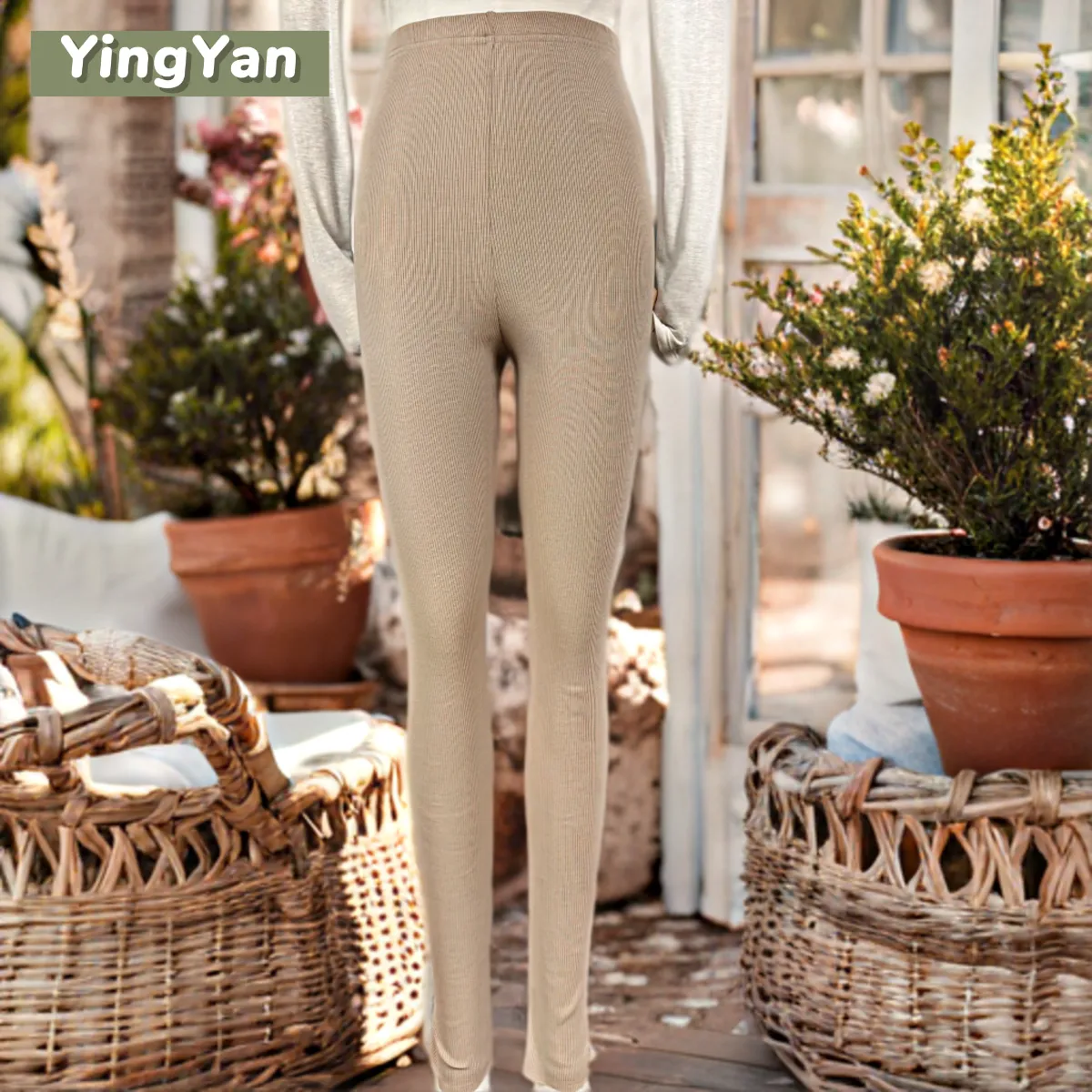
Japon tarzı giyim tedarikçileri, sıkı kalite kontrolü, gelişmiş işçilik ve müşteri odaklı hizmet sistemleri sayesinde küresel giyim alıcıları ve marka sahipleri için en çok tercih edilen seçeneklerden biri haline gelmiştir. Japon pazarına on yıldan fazla süredir odaklanan öncü Japon tarzı tedarikçiler, uluslararası üretim standartlarını yerel hizmet ihtiyaçlarıyla birleştiren tam bir tedarik zinciri sistemi oluşturmuştur. Temel avantajları, kumaş geliştirme aşamasından nihai ürün ihracatına kadar her bağlantıda kendini göstermekte ve iş birliği yapan müşterilere somut ticari değer sağlamaktadır. Bu makale, Japon tarzı giyim tedarikçileriyle iş birliği yapmanın temel rekabet avantajını çok boyutlu olarak derinlemesine analiz edecektir.
Yetkili Kalite Uyumu
Kalite, Japon tarzı giyim ürünleri için temel yapı taşıdır ve güvenilir tedarikçilerin tamamı sektördeki en katı kalite denetim standartlarına uyar. Bu tedarikçilerin tüm kumaşları, kumaşların konforunu, dayanıklılığını ve güvenliğini sıkı şekilde kontrol eden, küresel düzeyde tanınan yetkili bir kumaş test standardı olan Japon JIS testini başarıyla geçmiştir. Bitmiş giyim ürünleri de Japonya'da faaliyet gösteren profesyonel üçüncü taraf denetim şirketleri tarafından incelenmekte olup, bu da her parti ürünün Japon pazarının kalite gereksinimlerini ve hatta küresel üst düzey pazarın beklentilerini karşıladığını garanti etmektedir. Ana ürün kategorisi olarak örme ürünleri seçilmiş olup, bu kategori toplam üretim içinde %90 oranına ulaşmaktadır; uzun yıllara dayanan üretim tecrübesi sayesinde kusur oranı sektör ortalamasından çok daha düşüktür ve bu durum tedarikçiler ile müşteriler arasındaki uzun vadeli iş birliğinin sürdürülmesinin temelidir.
Profesyonel Kumaş Geliştirme ve Ustalık
Profesyonel kumaş geliştirme yeteneği ve çeşitli işçilik teknikleri, Japon tarzı giyim tedarikçilerinin teknik temelini oluşturur. Bu tedarikçiler, tüm tipte örme ve dokuma kumaşlar için bağımsız Ar-Ge yeteneğine sahiptir ve tasarım gereksinimlerine tam olarak uyum sağlamak amacıyla iplik seçimi aşamasından başlayarak özel kumaş üretimi gerçekleştirebilir; bu da Japon tarzı giyimin basitlik, konfor ve çok mevsimlik kullanım gibi tasarım ihtiyaçlarını mükemmel şekilde karşılar. Aynı zamanda çeşitli baskı ve nakış süreçleri ile vintage yıkama, taş yıkama ve enzim yıkama gibi ikincil giyim işleme teknikleri de dahil olmak üzere pek çok profesyonel işlem tekniğini başarıyla uygular. Gelişmiş üretim ekipmanları ve olgun üretim teknolojisi, farklı işlemlerin kusursuz bir şekilde gerçekleştirilmesini sağlar; aylık maksimum üretim kapasitesi 70.000 adet olup, müşteri büyük sipariş taleplerini kaliteyi koruyarak karşılayabilir.
Esnek Küçük Parti Sipariş Hizmeti
Esnek sipariş hizmeti, Japon tarzı giyim tedarikçilerini geleneksel giyim üreticilerinden ayıran önemli bir avantajdır. Sektörün geleneksel büyük parti sipariş gereksinimini kırarak, bu tedarikçiler küçük parti siparişlerini de karşılayabilmektedir; bu da özellikle yeni markaların, sınır ötesi e-ticaret satıcılarının ve niş tasarımcıların gelişim ihtiyaçları için uygundur. Gerçek iş birliği örneklerinde, bu küçük parti sipariş modeli birçok müşterinin stok baskısını %60'tan fazla azaltmasına ve körü körüne büyük parti üretiminden kaynaklanan aşırı stok riskini önlemesine yardımcı olmuştur. Ayrıca, gerçek zamanlı sipariş takibi ve müşteri sorularına hızlı yanıt, eksiksiz bir satış sonrası hizmet sistemi oluşturarak, müşterilerin üretim sürecindeki iletişim sorunlarını çözmekte ve iş birliğinin verimliliğini büyük ölçüde artırmaktadır.
Entegre Tek Çatı Altında Hizmet
Entegre tek duraklı hizmet, Japon tarzı giyim tedarikçilerinin müşteri iş birliği deneyimini iyileştirmesinin anahtarıdır. Bu hizmet, kumaş önerisi ve geliştirme, tasarım ayarlamaları, dikiş işlemlerinin tamamı ile nihai ürün ihracatına kadar üretim ve ihracat sürecinin tamamını kapsar. Bu tek duraklı hizmet modeli, müşterilerin kumaş fabrikaları, dikim fabrikaları ve ihracat acenteleri gibi birden fazla tedarikçiyle iletişime geçmesinden kaynaklanan iletişim maliyetlerini ve zaman maliyetlerini ortadan kaldırır. Aynı zamanda Japon pazarının ticaret kurallarına aşina olan tedarikçiler, Avrupa, Amerika ve Güneydoğu Asya gibi farklı kültürel arka planlara sahip pazarların ithalat standartlarına ve iş birliği alışkanlıklarına uygun profesyonel ihracat çözümleri de sunabilir; böylece tüm iş birliği süreci daha sorunsuz ve verimli hale gelir.
Maliyet Etkin Fiyatlama Stratejisi
Yüksek maliyet performansı, Japon tarzı giyim tedarikçilerinin müşterilere sunduğu önemli ticari değerdir. İplik seçimi aşamasından başlayarak tedarikçiler, özel kumaş üretimi gerçekleştirir; bu da ara bağlantıların fiyat primini ortadan kaldırır ve JIS standartlarına uygun olarak yüksek kaliteyi korurken daha iyi bir fiyatı mümkün kılar. Küçük ve orta ölçekli müşteriler için ise tedarikçilerin büyük ölçekli üretim kapasitesinden kaynaklanan fiyat avantajından yararlanmak mümkündür; böylece küçük parti özel üretimlerin yüksek maliyetine maruz kalmazlar. Tüm tedarik zinciri maliyet kontrolüne dayalı bu fiyatlandırma stratejisi, iş birliği yapan müşterilerin ürün kalitesini garanti ederken piyasada daha güçlü bir fiyat rekabet gücüne sahip olmalarını sağlar.
Profesyonel bir Japon tarzı giyim tedarikçisiyle iş birliği yapmak, sadece ürünlerin satın alınması değil, aynı zamanda tedarik zinciri kaynaklarının karşılıklı fayda sağlayıcı bir iş birliğidir. Bu tür tedarikçilerin temel rekabet avantajı, otoriter kalite standartlarının, profesyonel teknik yetkinliklerin, esnek hizmet modellerinin ve maliyet açısından avantajlı fiyatlandırma stratejilerinin organik bir şekilde bir araya gelmesinden kaynaklanır. Küresel pazara yayılmak isteyen markalar için, özellikle Japon tarzı giyim alanında odaklanan markalar için, Japon pazarında 10 yıldan fazla deneyime sahip bir tedarikçi seçmek; ürün kalitesi, üretim verimliliği ve iş birliği maliyeti arasında üçlü bir denge kurmanıza olanak tanır ve markanızın uzun vadeli gelişimi için kararlı ve güvenilir bir tedarik zinciri desteği sağlar.