
 EN
EN
 AR
AR DA
DA NL
NL FI
FI FR
FR DE
DE EL
EL HI
HI IT
IT JA
JA KO
KO NO
NO PL
PL PT
PT RU
RU ES
ES SV
SV TL
TL ID
ID VI
VI TH
TH TR
TR FA
FA MS
MS SW
SW GA
GA UR
UR BN
BN HA
HA MN
MN MY
MY KK
KK UZ
UZ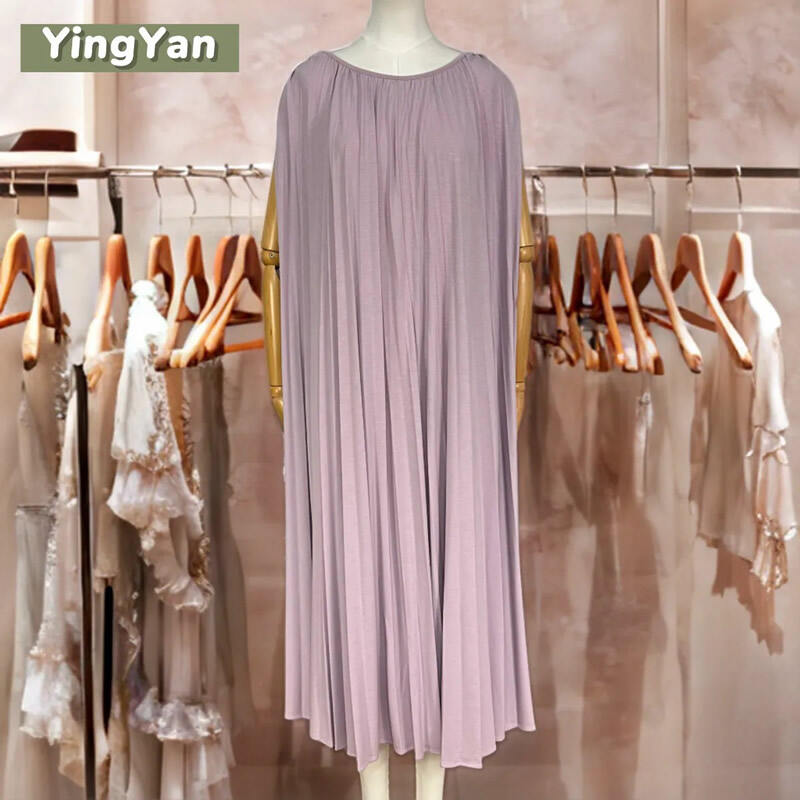
Capitalizing on the Body Inclusive Movement
The global plus size fashion sector has transitioned from a small alternative niche into a primary driving force within the modern retail apparel marketplace. Leading data analytics firms show that the demand for inclusive sizing is expanding at a faster compound annual growth rate than traditional apparel segments. For brands looking to capture this profitable market share, understanding seasonal shifts requires looking past basic surface design changes. It demands an appreciation of how physical dimensions, comfort requirements, and aesthetic preferences change across varying weather cycles. Successful brands realize that plus size consumers are not looking for oversized clothes designed to hide their bodies, they want fashionable, structural, and beautifully engineered pieces that embrace modern style.
Engineering Technical Fabrics for Superior Fit
Developing high quality plus size garments requires a deep foundation in textile science and material deformation mechanics. Standard fabrics often lack the necessary structural recovery properties, leading to unwanted bagginess at high stress areas like the knees, hips, and bust lines. To counteract this, modern inclusive design utilizes technical synthetic blends engineered with multi directional stretch and high recovery coefficients. Incorporating specific weights of elastane mixed with premium natural fibers ensures the garment maintains its original design silhouette even after dozens of intense wash cycles. Furthermore, analyzing fabric density metrics prevents transparency issues when the material stretches across full figures, guaranteeing confidence, comfort, and wearability for the end consumer.
Demystifying Advanced Three Dimensional Pattern Grading
A common error made by traditional manufacturers is using linear scaling algorithms to expand standard sizes into plus sizes. This primitive method assumes that human bodies grow uniformly in every direction, which inevitably results in poorly fitting shoulders, mismatched necklines, and incorrect waist placement. Professional pattern makers implement anthropometric grading data, adjusting patterns three dimensionally to accommodate the true curves of full figure silhouettes. This technical approach modifies dart placements, widens armhole curvatures, and extends specific hem lengths to create beautiful drapes. By mastering these complex structural adjustments, clothing brands can offer consistent fits that significantly lower return rates and build strong consumer loyalty.
Spring and Summer Breathability and Fluidity
As temperatures rise during spring and summer periods, the design emphasis shifts toward optimized ventilation, thermal regulation, and fluid motion. Micro trends for these warmer seasons emphasize lightweight woven structures, premium linen tencel blends, and innovative mercerized cotton knits that naturally pull moisture away from the skin. Design details focus on strategic elastication, adjustable waist groupings, and carefully positioned ventilation panels that offer comfort without losing shape. Color palettes usually transition into vibrant botanical tones and sophisticated neutrals that resist fading under direct sunlight. Brands must pair these bright visual elements with soft internal linings to prevent chafing, optimizing the wearable experience during hot seasonal peaks.
Autumn and Winter Structured Layering Architecture
Cold weather collections present unique challenges for inclusive fashion, requiring a careful balance between thermal insulation and silhouette management. Traditional thick down insulation can create an overly bulky appearance, so advanced brands use lightweight synthetic fills distributed unevenly across thermal zones. Outerwear pieces like trench coats and winter parkas are engineered with interior drawcords, princess seams, and strategic tailoring that accentuates natural waistlines. Sturdy double face wool blends and heavy Ponte knits provide the necessary structure to shape garments beautifully while offering wind protection. This thoughtful design combination ensures that winter collections keep consumers warm while presenting an elegant appearance.
Manufacturing Agility and Inclusive Brand Scaling
Executing complex, multi size fashion lines across changing seasonal timelines requires an agile, highly technically proficient manufacturing infrastructure. Production facilities must have the advanced software tools and specialized machinery needed to handle diverse fabric weights and intensive cutting schedules without error. For contemporary brands aiming to dominate this expanding inclusive landscape, leveraging the manufacturing mastery of established production specialists like Yingyan offers a massive competitive edge. Yingyan provides the advanced pattern engineering, certified fabric sourcing networks, and strict quality control standards required to produce beautiful inclusive fashion collections that stand out in retail environments worldwide.