
 EN
EN
 AR
AR DA
DA NL
NL FI
FI FR
FR DE
DE EL
EL HI
HI IT
IT JA
JA KO
KO NO
NO PL
PL PT
PT RU
RU ES
ES SV
SV TL
TL ID
ID VI
VI TH
TH TR
TR FA
FA MS
MS SW
SW GA
GA UR
UR BN
BN HA
HA MN
MN MY
MY KK
KK UZ
UZ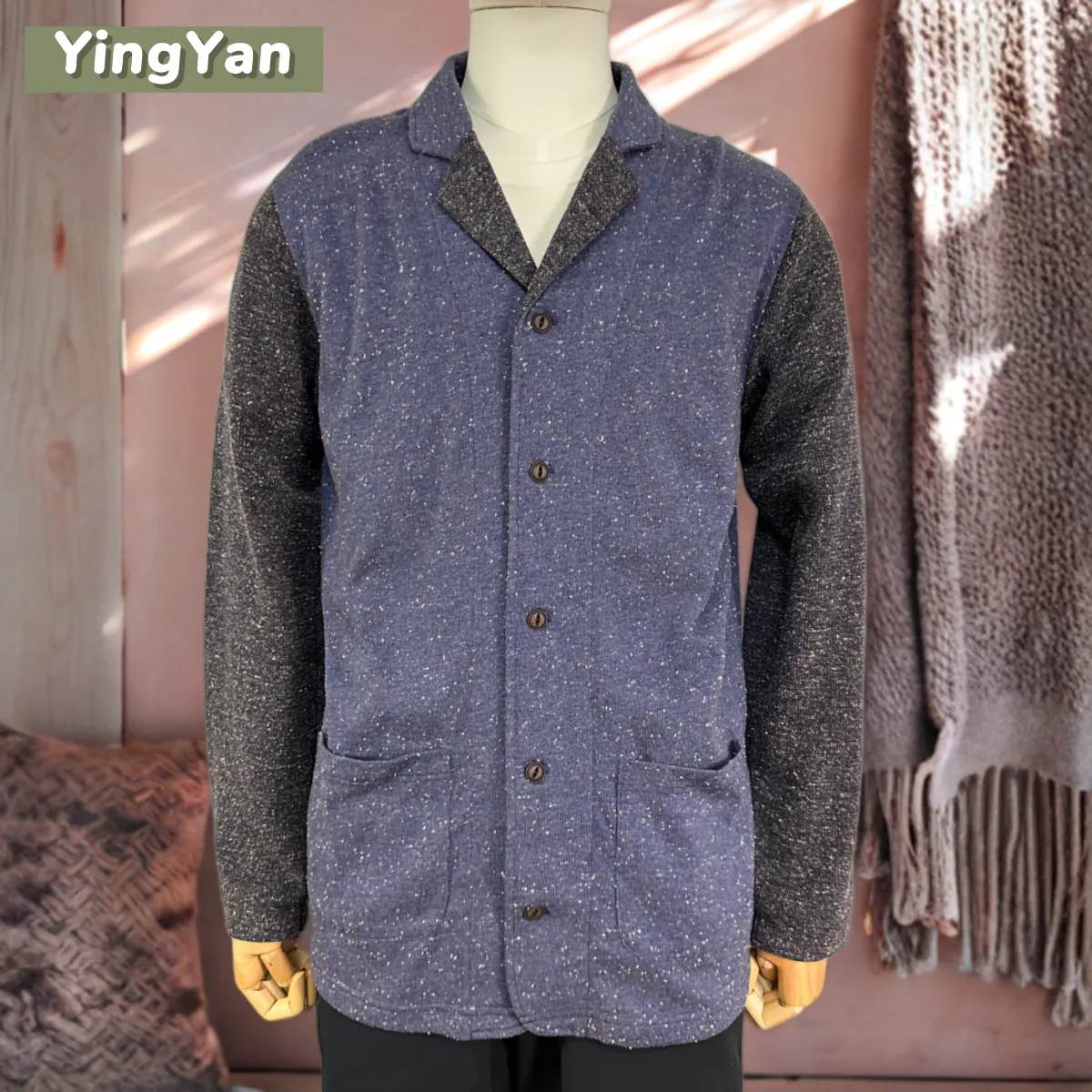
Essential Principles In Choosing Fabrics For Apparel Minimalism
When it comes to market demand for apparel simplicity, comfort, and durability, it is safe to say that it has been a long-standing and core need of the market. In regards to more than ten years of experience with apparel exporting and practicing minimalism in design for the market, the central focus of the market is on the ability of the fabric to design the clothing. It is for these reasons that knitted fabric has positioned itself as the primary medium for fabric minimalist design, allowing for ease of plasticity, and comfort to the wearer. It is for these reasons that 90% of their fabric design is focused on this type. When it comes to the core principles of fabric selection, the focus is on the basic, unenhanced texture of the fabric, functional matching with the demands of the wearing scenario, and the overall control of the design for ease of manufacturing. This logic in material selection is based on the avoidance of embellishments, and other accessories that take away from the design. It is this principle that the Japanese market has come to appreciate as the art of minimalist apparel design.
Minimizing Apparel Using Fabric Textures
Canvas or Knitted fabrics used in minimalistic designs usually have a remarkable visual appeal because the texture created by the type of yarn and the weaving could stand as a substitute for any of the redundant classical decorations. For example, a custom combed cotton yarn of a specific count will be used for the POLOS and T-shirts, and a high density weave will give the fabric surface a subtle matte texture that conveys a premium minimalist look, even without other design elements. Uniform texture in fabric is particularly Important for the design. The Japanese JIS fabric test is a perfect match for the minimalist design aesthetic that defines the texture as "unified" and "pure". The minimalist design of apparel allows for the creation of a unique visual identity without the use of excessive decorations, and prioritizes a philosophy that places fabric texture at the forefront.
Functional Adaptation to Every Season
For many seasons, minimalist design apparel has integrated fabric functional adaptions for a practical market advantage. With 90% knitted fabric, 10% woven fabric, they meet the diverse needs of minimalist apparel design, such as T-shirts, sweaters, casual pants, trench coats, and more. Knitted fabric of an appropriate gram weight is breathable, micro-elastic, and has good drape and is suitable for everyday use in spring and fall, and can be inner layers in winter. Woven fabrics with good stiffness and wind resistance are ideal for minimalist trench coats and overcoats, and the design is clean and modern. They are functional and protect from the wind. Starting from yarn selection, the design house can customize the fabric to suit the needs of minimalism by adjusting fabric gram weight, elasticity, and thickness, achieving the true value of “one garment for multiple wears”.
Technological Empowerment of Realizing Details on a Micro Level in a Minimalist Design
When it comes to minimalist clothing design, a higher level of production technology is a must, as the absence of unnecessary decorative elements means that the quality of the garment is shown in the details of the manufacturing processes. Exquisite manufacturing technology can improve the quality of fabric, as well as the exquisite details of the minimalist design. Vintage washing, stone washing, and enzyme washing are processing techniques that are becoming a norm in the design of minimalist knit and woven garments. These techniques not only soften the fabric to enhance skin-friendliness, but also develop a retro texture on the surface of the fabric. This virtually adds layers to a minimalist design without unnecessary adornment. For small area decorative requirements, precise embroidery technology is used to promote a high degree of precision, so that the embroidery is not too large and contributes to a feeling of over-crowding. The technical capability of fabric design and processing that extends to garments encompasses a wide-variety of processes to ensure a minimalist design is not impeded by a design compromise.
Quality Control With Minimalist Design
In JIS testing, Japanese Quality Control (QC) testing, and Japanese Third Party Inspection focussing on Japan's textile and garment manufacturing quality, consistency is the most important factor. Japan’s four steps QC process allows flexible batch size manufacturing to provide a high level of control to not only meet, but exceed, the objectives of minimalist design for garments. With quality control being applied to fabric prior to cutting and sewing, minimalist design garments are batch ordered with a consistent feel to the fabric. This provides minimalist design aesthetics of no visible defects, a high level of perfection, and garments are neat with no raw edges. Each garment will be packaged prior to leaving the factory, regardless of the size of the batch order, and close to real time tracking of the order will be available with the tracking of quality control. This allows the minimalist design to control quality on a unit of garments rather than a whole batch of garments.
Commercial Value Allowing Long Lasting Benefits in Minimalist Apparel
Thoughtful selection of materials leads to increased commercial value and the ability to adapt to the market’s aesthetic trends. The ability to develop custom fabrics, based on yarn selection, allows for the creation of fabrics that are of superior quality to their price, and provides marketing opportunities at the cost edge of the market. In Japan, the garments with minimalist design and derived with the selection of fabrics logic yield a high repurchase rate due to high quality fabrics and the simple design aligning with consumer’s aesthetics. The unique brand minimalist aesthetic label is achieved. The entire service of fabric and design, coupled with sewing and export, is able to close the production cycle of minimalist design garments and allows for the first time the ability to address the needs of the market and value the business in a productive manner. For the first time, definite value is placed on the sustained growth of apparel brand.
Table of Contents
- Essential Principles In Choosing Fabrics For Apparel Minimalism
- Minimizing Apparel Using Fabric Textures
- Functional Adaptation to Every Season
- Technological Empowerment of Realizing Details on a Micro Level in a Minimalist Design
- Quality Control With Minimalist Design
- Commercial Value Allowing Long Lasting Benefits in Minimalist Apparel